The Surface You Can’t See Is the One Working Against You
Recurring infections, stubborn odors, and rising maintenance costs share a common origin in most animal care facilities: the floor. Not the cleaning protocol. Not the disinfectant. The floor itself.
Non-porous kennel flooring is flooring that resists absorption of liquids, organic matter, and bacteria at the surface level, preventing the moisture retention that drives contamination in veterinary clinics, boarding facilities, and shelters. RACS Animal Care Systems manufactures a complete raised flooring system built on this principle: plastisol-coated steel with built-in antimicrobial protection, engineered to eliminate the conditions where pathogens establish and spread.
Veterinary infection control guidelines are consistent on this point: porous or damaged surfaces cannot be effectively cleaned and disinfected, no matter how rigorous the protocol. That principle explains why facilities following best-practice cleaning routines still battle the same infections season after season.
How Biofilms Turn Your Floor Into a Bacterial Stronghold
Biofilms are communities of bacteria that adhere to surfaces and produce a protective matrix, a slimy shield that makes them resistant to standard cleaning agents and disinfectants. They form fastest on surfaces that retain moisture or organic material. In veterinary clinics, boarding kennels, and grooming areas, porous flooring materials create ideal conditions because they absorb the very substances that feed bacterial colonies.
One question we’re often asked at RACS is where biofilms develop most readily. The answer is straightforward: any surface with micro-cracks, seams, or absorbent pores. Concrete, rubber mats, and aging vinyl all qualify. Once established, a biofilm colony can withstand disinfectant concentrations that would kill the same bacteria in open contact.
This is the core reason material selection matters as much as your cleaning routine. RACS engineered its raised flooring system with a completely non-porous plastisol coating specifically to deny biofilms the foothold they need.
Three Porous Flooring Problems Facility Operators Face
Facility operators dealing with hospital-associated infections and persistent odors encounter the same three porous materials, each failing in a predictable way.
Concrete is durable and common, but inherently porous unless constantly resealed. Even sealed concrete degrades under daily chemical cleaning. Once the seal cracks, urine and moisture penetrate the surface. The result: embedded odors and bacterial growth beneath a surface that looks clean but isn’t. Published research in the Journal of Veterinary Behavior confirms that flooring substrate directly impacts kennel and dog cleanliness, with non-solid flooring types showing measurably better outcomes.
Rubber mats are chosen for cushioning. Over time, they crack, curl at the edges, and trap moisture underneath. Bacteria colonize in surface scratches and beneath mat edges where cleaning agents cannot reach. A facility operator can scrub the visible surface daily and still harbor pathogens in places no mop can access.
Aging vinyl and untreated surfaces absorb moisture and organic debris directly. These materials cannot be disinfected to the standard required in professional animal care operations. Resilient pathogens like parvovirus, ringworm, and MRSA persist in porous materials long after surface cleaning. For facilities focused on sanitation, operational efficiency, and long-term animal health, any porous flooring creates a structural disadvantage that cleaning alone cannot overcome. It’s the core problem the RACS raised flooring system was designed to solve.
Coating a Problem vs. Replacing It: Why RACS Takes a Different Approach
Most competing solutions in the market are surface coatings. Epoxy, polyurea, and urethane systems coat existing concrete floors to create a non-porous barrier. That approach works until the coating chips, cracks, or degrades under daily chemical cleaning and high-traffic use. When it does, the porous concrete underneath is re-exposed, and the contamination cycle restarts.
RACS doesn’t coat a problem surface. RACS replaces it.
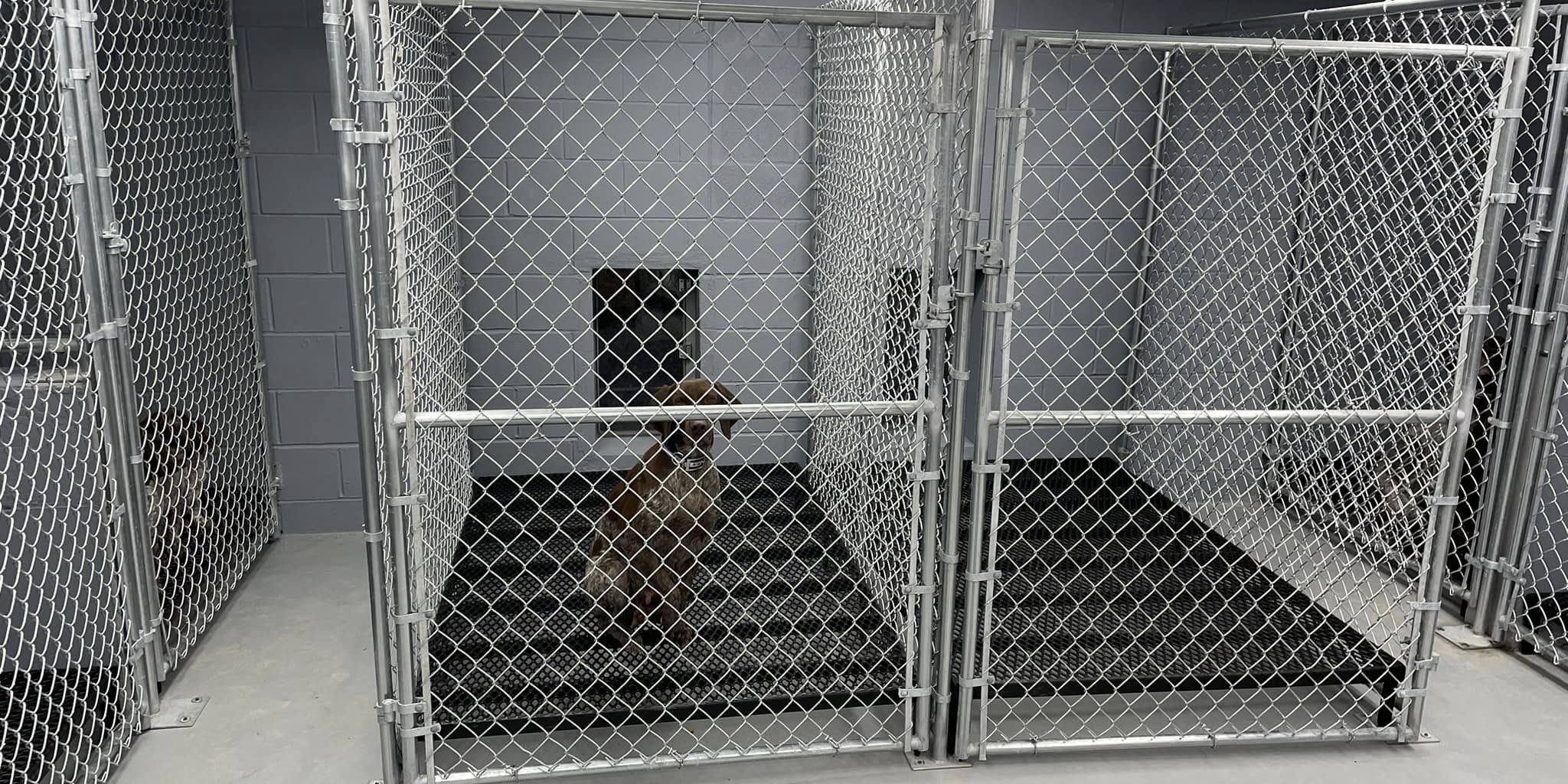
The RACS raised flooring system is a purpose-built structure that removes animals from contact with the floor entirely. Three engineering elements work together:
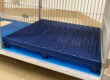
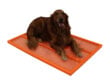
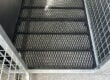
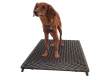
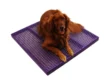
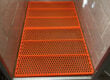
Fully encapsulated plastisol-coated steel. Every RACS floor is constructed from prime steel, completely coated in plastisol (polyvinyl, plastic). No exposed metal means no rust, no breakdown, and no hidden bacteria traps. The non-porous surface prevents absorption of liquids, odors, and organic material at every point. RACS manufactures both standard cage floors and custom animal floors using this same fully encapsulated construction.
Built-in antimicrobial protection. RACS flooring features antimicrobial protection integrated directly into the coating formula. Independent testing confirms that RACS flooring inhibits the growth of E. coli and Salmonella by 99.99%. This active defense works continuously between cleanings, reducing the risk of disease outbreaks that facilities with porous flooring battle constantly.
Raised design for waste separation. RACS flooring is engineered to allow waste and fluids to pass efficiently through the surface to the tray or drain below, helping keep animals clean and dry. By elevating animals above waste and moisture, the system eliminates the standing liquid and surface contact that drives bacterial growth in traditional flooring.
This isn’t a coating applied to an existing surface. It’s a complete system where the steel substrate, plastisol encapsulation, raised architecture, and antimicrobial protection are all designed to work together.
How RACS Raised Flooring Compares to Alternatives
| Feature | RACS Raised Flooring System |
Epoxy-Coated Concrete |
Rubber Mats |
|---|---|---|---|
| Surface porosity | Non-porous (plastisol encapsulation) | Non-porous when intact; porous when coating degrades | Becomes porous as material ages and cracks |
| Waste separation | Raised design allows waste to pass through | Waste sits on surface until cleaned | Waste trapped under and between mats |
| Antimicrobial protection | Built into coating (99.99% E. coli/Salmonella reduction) | Optional additive; varies by installer | None |
| Durability under chemical cleaning | Plastisol resists degradation from disinfectants | Coating can degrade under repeated chemical exposure | Degrades and curls over time |
| Animal comfort | Keeps animals warm at room temperature; slip-resistant when wet | Cold concrete substrate | Cushioned initially; degrades with use |
| Custom sizing | Manufactured to exact facility dimensions, up to 10 feet | Limited by existing floor layout | Standard sizes; gaps at edges |
| Installation flexibility | Retrofits into existing cages, runs, and irregular layouts | Requires floor prep and curing time | Placed on existing floors; shifts over time |
What This Means for Your Daily Operations
RACS flooring’s non-porous surface resists moisture, stains, and odors. Daily cleaning becomes faster because there’s no absorption, no hidden bacteria traps, and no surface degradation from disinfectants. Your cleaning protocols work the way they’re supposed to because the flooring supports them rather than undermining them. The plastisol coating is compatible with standard veterinary cleaning agents and resists degradation from high-pressure washing. Unlike epoxy coatings that chip under repeated chemical exposure, RACS plastisol encapsulation maintains its integrity through demanding cleaning routines.
Unlike cold concrete or degrading rubber, RACS plastisol-coated flooring keeps animals warm at room temperature. The smooth, slip-resistant surface protects paws and provides stable footing in wet conditions, reducing the risk of falls and joint stress that hard or slippery surfaces can cause. The raised design prevents direct contact with waste and standing moisture, keeping animals cleaner and drier throughout the day. Research on flooring substrates in commercial breeding facilities supports this: animals housed on non-solid, elevated flooring spent significantly less time in contact with excrement.
RACS flooring is built for demanding, high-use environments. The fully encapsulated steel construction withstands heavy facility use, powerful cleaning chemicals, and high-pressure washing without rusting or degrading. Unlike porous materials that require frequent resealing, mat replacement, and labor-intensive scrubbing, RACS flooring’s durability translates to meaningful long-term savings in both maintenance time and operational costs.
Cleaning Best Practices with RACS Flooring
RACS raised flooring systems simplify sanitation with smooth, non-porous surfaces that prevent liquids and bacteria from penetrating. Effective daily protocols include sweeping loose debris, mopping with neutral pH detergents, and spot-disinfecting high-traffic zones. Using EPA-registered, pet-safe disinfectants with proper dwell time ensures thorough sanitation. The flooring is compatible with standard veterinary cleaning agents, and proper adherence to cleaning protocols extends flooring lifespan while maintaining the hygiene standards your facility requires.
Custom Fit for Any Facility Layout
Irregular facility designs don’t have to compromise your sanitation standards. RACS custom-manufactures flooring to tight tolerances, fitting any existing cage, odd-shaped run, or irregular drain layout. RACS also provides gutter covers designed to manage flush gutters and tricky ledges, ensuring waste flows freely to your drainage system. Whether you’re retrofitting an older facility or outfitting a new build, our team works directly with you to gather measurements, photos, and details to engineer a solution around your specific dimensions.
Protect Your Facility with the Right Flooring Foundation
Every sanitation protocol in your facility depends on the surface underneath it. Porous flooring undermines your efforts. Coatings degrade and re-expose the problem. RACS plastisol-coated steel raised flooring eliminates the conditions where biofilms and pathogens take hold, giving your cleaning routines a surface that works with them instead of against them.
Built in Northwood, Iowa, and backed by over 50 years of manufacturing expertise, RACS flooring is the foundation that professional animal care facilities trust for long-term hygiene, durability, and animal comfort.
Ready to find the right flooring solution for your facility? Request a custom quote or call RACS today at 800-338-3178. Our team will help you select a solution that fits your specific needs.