The Floor Under Your Animals Is an Operational Decision
Choosing the right kennel flooring directly impacts cleanliness, efficiency, and animal health. For veterinary clinics, boarding facilities, and shelters, flooring isn’t just a surface. It’s a critical part of daily operations that determines how effectively you can clean, how comfortable your animals stay, and how much time and money your facility spends on maintenance year after year.
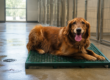
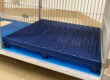
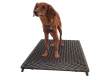
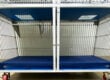
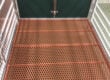
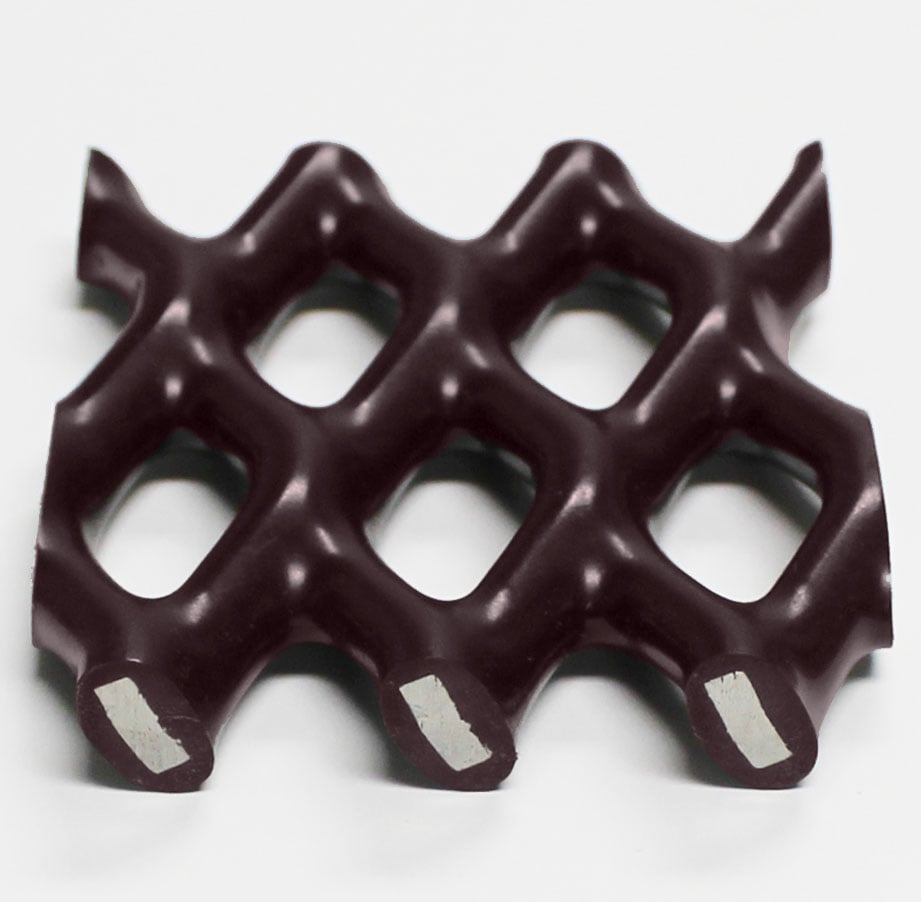
RACS Animal Care Systems manufactures a complete raised flooring system built from plastisol-coated steel with no exposed metal, built-in antimicrobial protection, and a non-porous surface designed specifically for professional animal care. Unlike coatings or mats that sit on top of an existing floor, the RACS system replaces the contact surface entirely, separating animals from waste and moisture by design.
This guide compares the most common kennel flooring materials and explains where each one falls short in demanding facility environments.
Concrete: Durable but Problematic Without Modification
Concrete is the default in most kennels because it’s inexpensive and structurally sound. It handles heavy traffic and pressure washing without structural failure. For outdoor runs, it provides a stable base that resists shifting.
The problems start below the surface. Concrete is inherently porous unless sealed, and sealant degrades under daily chemical cleaning. Once the seal breaks down, urine, moisture, and bacteria penetrate into the substrate. Embedded odors become permanent. The surface looks clean but isn’t.
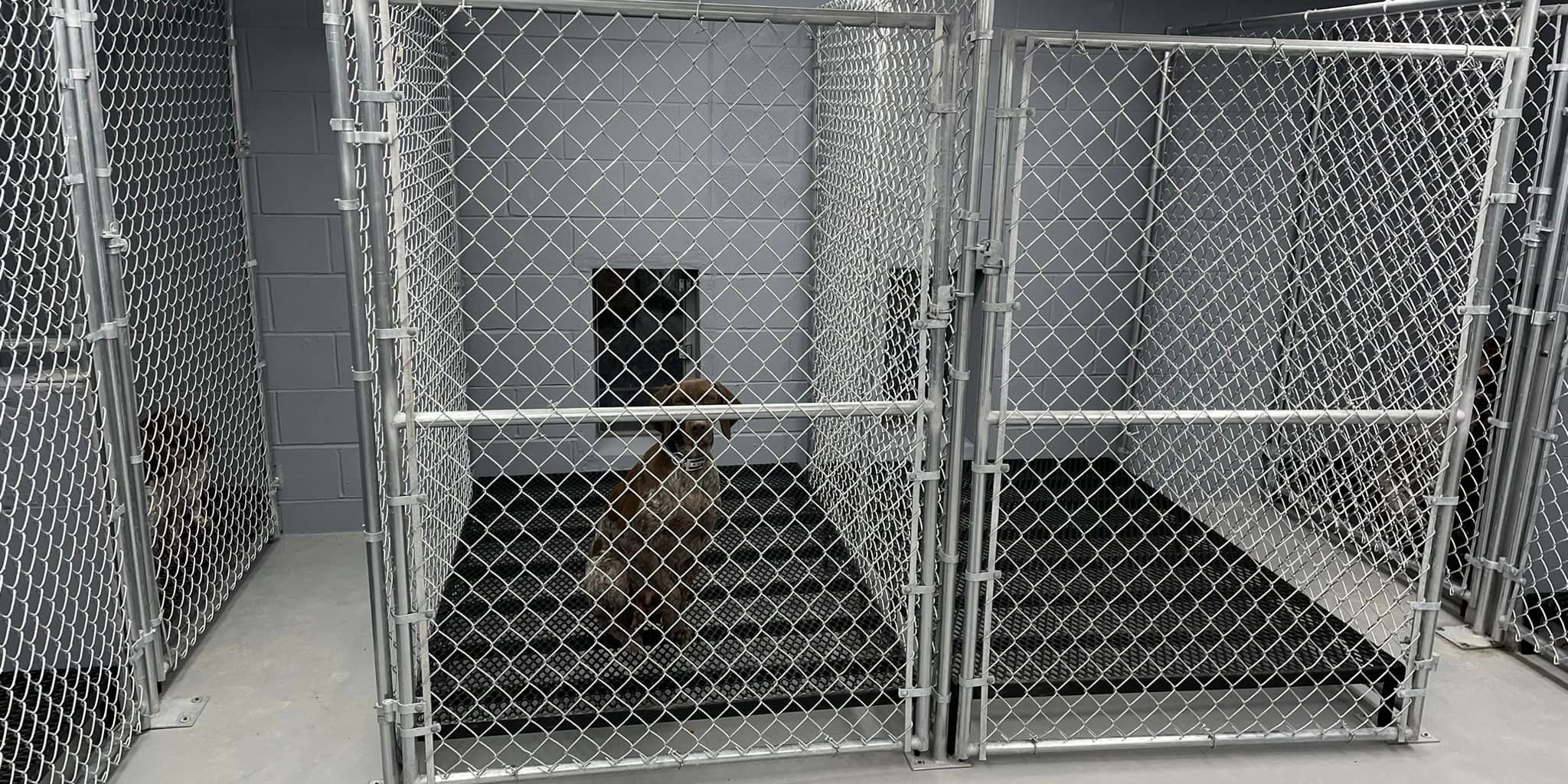
Concrete is also cold, hard, and unforgiving on joints. Animals resting on bare concrete for extended periods face increased joint stress, especially older dogs and post-surgical patients. RACS raised flooring solves both problems at once: the plastisol-coated surface is completely non-porous and keeps animals warm at room temperature, while the raised design lifts animals off the concrete entirely.
Rubber Mats: Short-Term Comfort, Long-Term Sanitation Risk
Rubber mats are chosen for cushioning. They reduce joint strain and provide a non-slip surface, which matters in facilities housing older or recovering animals.
Over time, rubber cracks, curls at the edges, and traps moisture underneath. Bacteria colonize in scratches and beneath mat edges where no mop or disinfectant can reach. Rubber can also retain odors even with regular cleaning, and dogs prone to chewing will damage the surface faster than most facilities can replace it. A durable, low-maintenance flooring system like RACS eliminates these failure points. The plastisol coating is fully encapsulated with no exposed metal, resisting corrosion, bacteria buildup, and long-term wear without the degradation cycle that rubber mats create.
Epoxy Flooring: Effective Until It Isn’t
Epoxy flooring is often chosen for dog kennels because it creates a smooth, sealed surface that is easy to clean and can withstand heavy foot traffic. When properly installed, it provides a durable coating over concrete and performs well in controlled indoor environments.
However, epoxy has important limitations in animal care settings. Over time, it can chip, crack, or wear under constant cleaning, impact, and moisture exposure, especially in high-use kennels. Once compromised, the surface allows bacteria and odors to penetrate the underlying concrete. Epoxy is also sensitive to UV exposure, which causes discoloration and degradation in outdoor or sunlit areas.
While epoxy may function as a short- to mid-term solution, facilities focused on long-term hygiene, durability, and animal comfort often require a more resilient, fully coated flooring system. RACS plastisol encapsulation doesn’t chip or degrade under daily chemical cleaning because the coating isn’t a surface layer applied to concrete. It’s the entire construction.
Pea Gravel and Dirt: Low Cost, High Risk
Gravel and dirt floors are inexpensive and common in outdoor runs. They provide natural drainage and require minimal upfront investment.
The tradeoff is sanitation. Porous materials are impossible to disinfect effectively. Bacteria, parasites, and organic debris accumulate in gravel beds and soil, creating persistent disease transmission risks that surface cleaning cannot address. Gravel also shifts under traffic, settles unevenly, and can work its way into drains or under kennel structures. For facilities where biosecurity matters, porous ground-level surfaces create a liability that no cleaning protocol can overcome.
Wood Floors: Warm but High-Maintenance
Wood provides some insulation and can be straightforward to install. In small-scale or temporary setups, it serves a functional role.
In professional facilities, wood fails quickly. It absorbs moisture, warps, rots, and retains odors. Dogs chew and scratch it, accelerating deterioration. Every maintenance cycle on wood flooring is labor-intensive and still leaves a porous surface that harbors bacteria. RACS flooring delivers the warmth and comfort that wood provides, without any of the absorption, rot, or maintenance burden.
Kennel Deck Flooring: Lightweight but Limited
Interlocking plastic panel systems are marketed as elevated, easy-to-clean alternatives. They’re lightweight and simple to install, which appeals to facilities looking for a quick solution.
Plastic materials can flex over time, trap debris underneath, and may not provide the long-term durability needed in high-use facilities. The interlocking joints can separate under heavy traffic, creating gaps where waste collects. Unlike RACS plastisol-coated steel, plastic panels don’t offer antimicrobial protection or the structural integrity to support heavy animals without flexing. For facilities that need a raised flooring system built to last under demanding daily use, the gap between plastic panels and RACS engineered steel is significant.
Why RACS Is the Standard for Professional Facilities
The materials above each solve one problem while creating others. Concrete is strong but porous and cold. Rubber cushions but degrades and traps bacteria. Epoxy seals but chips under real-world use. Plastic panels elevate but flex and lack antimicrobial protection.
RACS raised flooring solves all of them with a single system. Three engineering elements work together:
Fully encapsulated plastisol-coated steel. Every RACS floor is constructed from prime steel, completely coated in plastisol. Unlike many alternatives, RACS flooring is fully coated with no exposed metal, helping prevent corrosion, bacteria buildup, and long-term wear. The non-porous surface prevents absorption of liquids, odors, and organic material at every point. RACS manufactures both standard cage floors and custom animal floors using this same fully encapsulated construction.
Built-in antimicrobial protection. Independent testing confirms that RACS flooring inhibits the growth of E. coli and Salmonella by 99.99%. This protection is integrated directly into the plastisol coating and works continuously between cleanings.
Raised design for waste separation. RACS flooring is engineered to allow waste and fluids to pass through the surface to the tray or drain below. By elevating animals above waste and moisture, the system keeps animals cleaner and drier while eliminating the standing liquid that drives bacterial growth on traditional flooring.
A durable, low-maintenance flooring system like RACS can significantly reduce cleaning time and replacement costs over the life of your facility. Unlike porous materials that require frequent resealing, mat replacement, and labor-intensive scrubbing, RACS flooring’s durability translates to meaningful long-term savings in both maintenance time and operational costs.
Indoor and Outdoor Performance
RACS flooring performs in both indoor and outdoor environments. The plastisol coating resists UV exposure, moisture, and temperature extremes without degrading, warping, or becoming dangerously hot or cold. Indoor facilities benefit from the non-porous surface that supports odor control and integration with veterinary disinfectants. Outdoor runs benefit from a surface that maintains structural integrity through freeze-thaw cycles and direct sun exposure.
The system is custom-manufactured to fit any kennel size or configuration, from individual veterinary cages to large boarding runs and exercise yards. RACS also provides gutter covers that integrate with the raised flooring to manage drainage across the facility.
The Right Foundation for Your Facility
For veterinary clinics, shelters, and boarding operations evaluating what to put in the bottom of a dog kennel, the answer depends on whether you want a short-term fix or a long-term system. Every alternative material requires compromises in durability, sanitation, comfort, or maintenance. RACS plastisol-coated steel raised flooring eliminates those compromises with a complete system built for the realities of professional animal care.
Built in Northwood, Iowa, backed by over 50 years of manufacturing expertise, and proudly Made in the U.S.A.
Ready to find the right flooring for your facility? Request a custom quote or call RACS today at 800-338-3178. Our team will help you select a solution that fits your specific needs.
Updated March 2026: This article has been refreshed with current information, updated recommendations, and revised examples.